Roof Storm Damage Signs Every Homeowner Should Watch For After Severe Weather
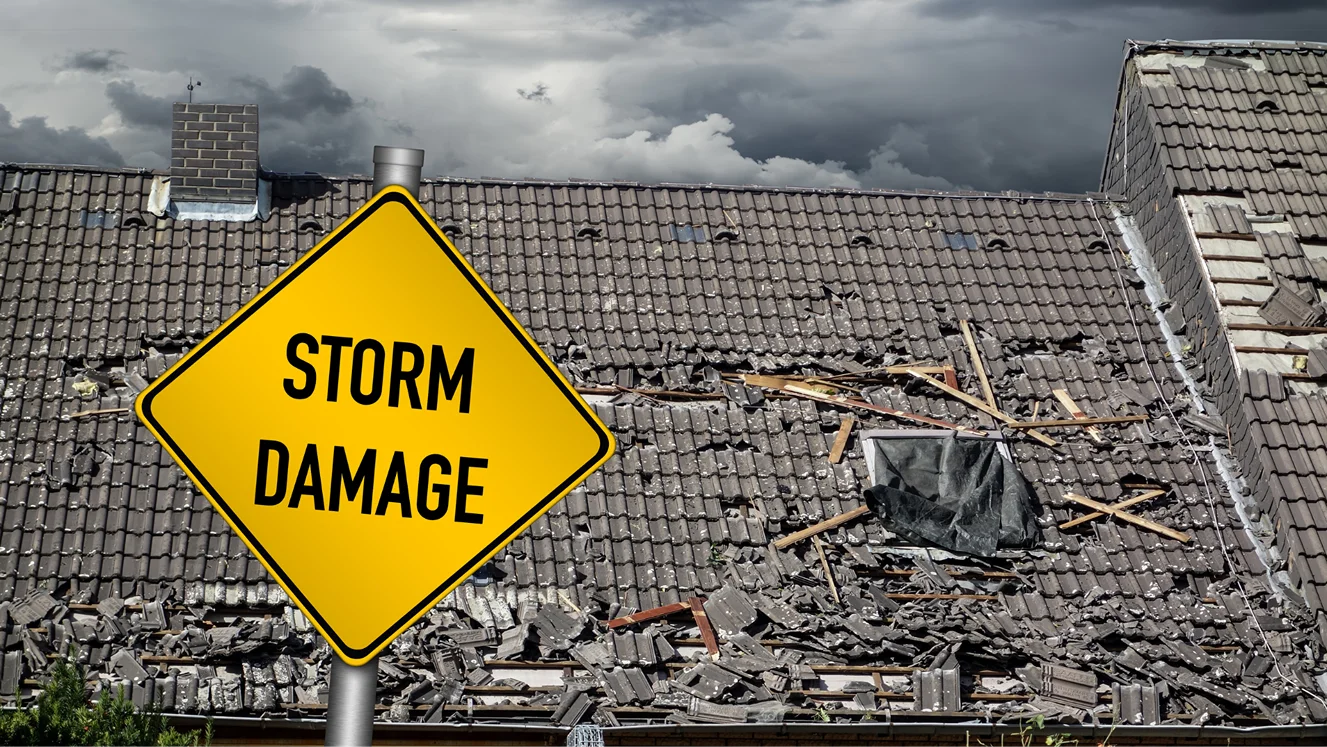
Severe weather can wreak havoc on your home, and your roof is often the first line of defense. Understanding roof storm damage is critical to protecting your property and avoiding costly repairs. Detecting damage early can prevent leaks, structural issues, and long-term deterioration.
This guide explains how to tell if your roof has storm damage, how to check for roof damage after a storm, what qualifies as storm damaged roof, and why professional roof storm damage assessment is essential. You’ll also learn tips on how to protect your roof from storm damage.
Common Causes of Roof Storm Damage
Storms can affect your roof in multiple ways:
- High Winds: Strong gusts can lift or tear off shingles, exposing the underlayment.
- Hail: Even small hailstones can crack shingles, dent metal components, or damage tiles.
- Heavy Rain: Excessive water can penetrate weakened areas, causing leaks.
- Falling Debris: Trees or branches blown onto your roof can puncture or damage shingles.
- Ice and Snow: Freeze-thaw cycles can crack materials or cause ice dams along eaves.
Understanding these factors helps homeowners identify potential risks and prioritize inspections.
Signs Your Roof Has Storm Damage
After a severe weather event, watch for the following warning signs:
- Missing or Damaged Shingles
Shingles may be cracked, curling, or completely missing. Missing shingles are an obvious indicator of storm damaged roof and should be addressed immediately.
- Granule Loss
Shingle granules protect against UV rays and water damage. If you notice granules in gutters or around your yard, your roof may have sustained hail or wind damage.
- Dents or Punctures
Metal vents, flashings, and gutters may show dents from hail or debris. These small damages can lead to leaks if not repaired.
- Water Stains or Leaks Inside
Ceilings, walls, or attic spaces may show signs of water intrusion. Even minor leaks indicate a compromised roof.
- Damaged Flashing or Sealants
Storms can dislodge or crack flashing around chimneys, vents, and skylights, which often causes leaks.
- Sagging Roof Deck
A sagging area may indicate water damage or structural compromise caused by prolonged exposure to storm-related water.
How to Check for Roof Damage After a Storm
Knowing how to check for roof damage after a storm can help you catch issues before they worsen. Safety is crucial, avoid climbing onto your roof if it’s slippery or unstable. Consider these steps:
- Visual Inspection from the Ground: Use binoculars to check for missing shingles, dents, or debris.
- Check Gutters and Downspouts: Look for granules, broken shingles, or displaced flashing.
- Inspect the Attic: Signs of leaks, water stains, or light coming through indicate roof penetration.
- Document Damage: Take photos to share with your insurance company and roofing professional.
- Call a Professional: Schedule a roof storm damage assessment to ensure nothing is missed.
Even if damage seems minor, professional evaluation can prevent more severe problems.
What Is Considered Storm Damage to a Roof?
Many homeowners wonder, what is considered storm damage to roof? Storm damage typically includes:
- Shingles torn, cracked, or lifted
- Missing granules or exposed underlayment
- Dented metal flashing, vents, or gutters
- Punctures or holes caused by debris
- Structural damage to roof decking or support
Insurance companies often cover these types of damage, but proper documentation and professional verification are essential.
The Importance of Early Detection
Early detection is critical for several reasons:
- Prevent Water Damage: A small leak can quickly turn into a major repair if left unchecked.
- Maintain Structural Integrity: Roof storm damage can compromise rafters, decking, and support beams.
- Save on Costs: Timely repairs prevent more expensive repairs or full roof replacement.
- Insurance Claims: Quick reporting helps with smooth claims processing and proper compensation.
Ignoring signs of damage can lead to prolonged exposure, mold growth, and weakened home structures.
Professional Roof Storm Damage Assessment
While homeowners can identify obvious damage, hiring professionals ensures a thorough evaluation. A roof storm damage assessment typically includes:
- Detailed Roof Inspection: Experts check shingles, flashing, gutters, and overall structural integrity.
- Documentation for Insurance: Professionals provide reports and photos for insurance claims.
- Recommendations for Repairs: Contractors advise on immediate fixes and long-term solutions.
- Safety Assurance: Professionals use proper equipment and techniques to inspect unsafe or high roofs.
Professional assessment is the best way to ensure complete and lasting repair of storm damaged roof areas.
How to Protect Your Roof From Storm Damage
Preventive measures can minimize the impact of future storms. Here’s how to protect your roof from storm damage:
- Regular Roof Maintenance: Inspect your roof at least twice a year and after storms.
- Trim Overhanging Branches: Prevent tree limbs from falling and damaging shingles.
- Reinforce Flashing and Sealants: Ensure all flashings and roof penetrations are secure.
- Upgrade Materials: Consider impact-resistant shingles or metal roofing in storm-prone areas.
- Clean Gutters: Proper water drainage reduces the risk of leaks and ice dams.
Taking these steps prolongs your roof’s lifespan and reduces repair costs.
When to Repair a Leaking Roof
Once damage is detected, it’s essential to act quickly. Knowing repair a leaking roof options can help homeowners choose the right approach:
- Minor Repairs: Patch small leaks, replace missing shingles, or seal damaged flashing.
- Partial Replacement: Replace sections of the roof that have sustained significant damage.
- Full Replacement: For older roofs with extensive storm damage, complete replacement ensures long-term protection.
Always consult a licensed roofing contractor to determine the best course of action.
Conclusion
Severe weather can take a toll on your roof, but knowing the signs of roof storm damage and taking swift action can save homeowners from costly repairs. Whether it’s a minor leaky roof repair or a more extensive roof leaking repair, early detection and professional evaluation are key.
Knowing how to tell if your roof has storm damage, understanding what is considered storm damage to roof, and scheduling a roof storm damage assessment ensures that your home remains safe, structurally sound, and protected from water damage. Preventive care and professional guidance are the best investments to maintain your roof’s integrity for years to come.
Protect your home today, contact us for professional roofing inspection and repair solutions.